
THROUGH BUDAPEST TO SILICON VALLEY
They've gained 'entry' to Silicon Valley from the renowned Tim Draper by recently winning two major startup competitions in Budapest.
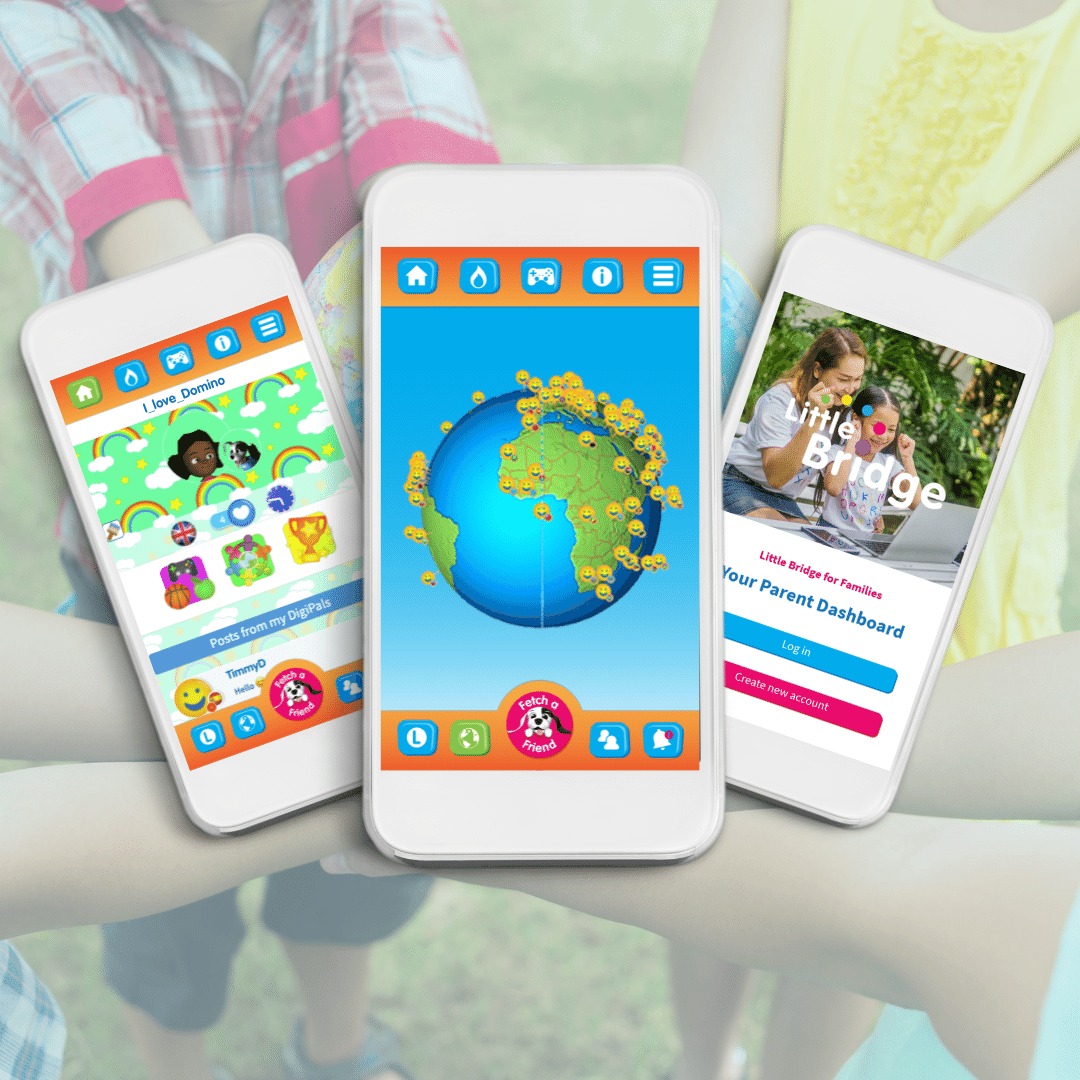
An interesting thing happened in the startup world: a team from London won two Budapest startup competitions, Pozi.io Pitch Please! and Women Startup Competition, and got the chance to compete for money from some very prestigious investors in Silicon Valley. Little Bridge is a social media site specifically for children to learn English those who can already read and write. Co-founder Emma Rogers is a successful children's author and illustrator and has published over 40 books to date. She was joined by Nigel Forward and Sarah White, who met the author during work on a previous language project. It was here that the concept of learning through social networking was born, and they founded Little Bridge in 2015.
THE STARTING POINTS
Emma Rogers has previously launched three successful language learning platforms, used worldwide, which have already adopted the gamification model (involving users in learning through play) long before it became widespread. In fact, many years before the metaverse came into vogue, the author even experimented with a virtual 3D world where children could create avatars and interact with characters and robots to improve their language skills.
The small company has been generating revenue for years, filling an important need by providing children with safe social media, and an opportunity for innovative and effective English language learning. In the early days, they relied mainly on government and corporate contracts, and before the pandemic, they brought in business angels, including prominent businessmen such as Twitter founder Biz Stone. In total, they raised £650,000 (nearly £300 million at today's exchange rate), 30 percent more than they had planned, and 'oversubscribed' the company.
GOING INTERNATIONAL
In addition, a multi-year government contract has been signed. Through this, for example, Little Bridge will be distributed to all public primary schools in Uruguay. As a five-man team, they have beaten off major British publishers in the market competition, including an education giant with 20,000 employees in nearly 200 countries.
Just months after the first round of investment and the Uruguayan contract, the pandemic struck. This in turn made the Little Bridge online community more valuable than ever for schools, as students could safely chat with friends during the lockdowns. It is a verified platform that also protects children from online dangers. By the end of 2020, additional government contracts will have been signed, mainly in Mexican states. Their school platform was officially launched early last year. They have also recently implemented a pilot project in Azerbaijan, in partnership with the renowned British Council. Here, the engagement with the platform was higher than any of them expected, with two students using the site for 300-500 hours in eight weeks. Their research, carried out in collaboration with UCL, a prestigious university in London, also demonstrates the effectiveness of this learning methodology.
HOME
Two months ago, they started looking for another round of investment: they are running a £1 million seed investment round - which will close early in the second quarter of this year - to raise capital to expand the project.
They are also looking to attract female investors and funds to the venture. And they can go even further: last December, Sarah White presented Little Bridge in three pitch competitions and won them all. The winning streak continued in January when the platform triumphed in the aforementioned Budapest pitch competitions. In one of these, they won a pass to a five-week course at Draper University. At the end of this, they also had to give a presentation at an event hosted by venture capitalist and billionaire Tim Draper.
Little Bridge has a good chance of launching overseas, as it is designed for a global market and has been launched in more than 16 countries without any meaningful marketing, with a waiting list of more than 3,000 parents from 70 states. Meanwhile, they are starting to expand into Spain and have recently entered into negotiations with a potential partner in Thailand.
The article appeared in Figyelő Magazine 2022/10, written by Gábor Halaska.
Kategória
 Language software
- Edutech

 Success & Failure Stories